Thousands of workers suffer preventable injuries each year during equipment servicing—many due to failed or skipped lockout tagout safety procedures. The root cause isn’t always a lack of training; it’s often inconsistent execution, unclear protocols, or reliance on outdated practices. When a machine unexpectedly activates during maintenance, the consequences can be catastrophic: amputations, electrocutions, or even fatalities. Lockout tagout (LOTO) isn’t just a checklist—it’s a structured system that, when properly implemented, creates a culture of safety and accountability.
This guide breaks down the core components of effective lockout tagout safety procedures—what they are, how to implement them correctly, and where most organizations fall short. You’ll get real-world examples, actionable steps, and a clear framework to safeguard your team and maintain compliance.
What Is Lockout Tagout and Why It Matters
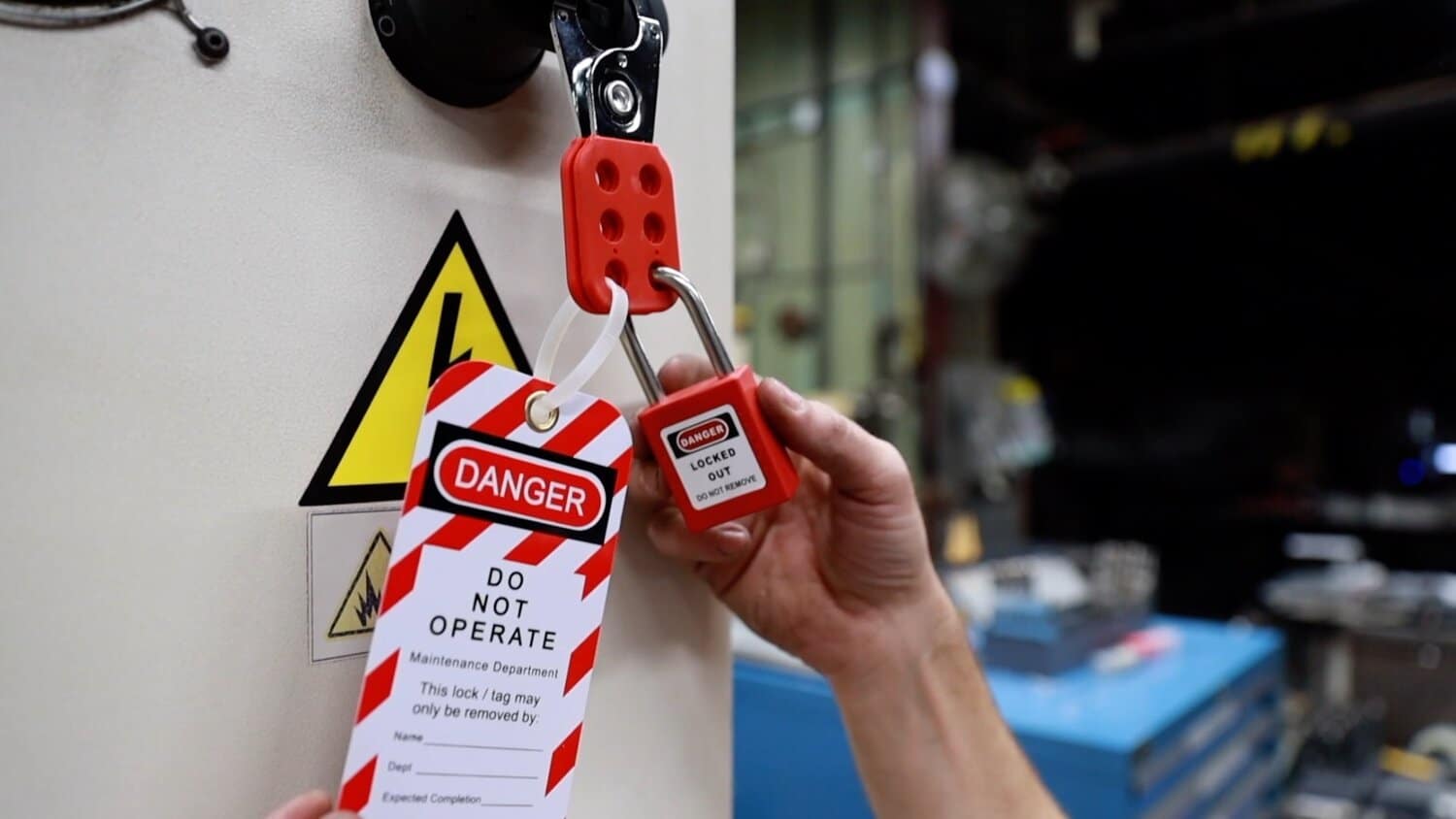
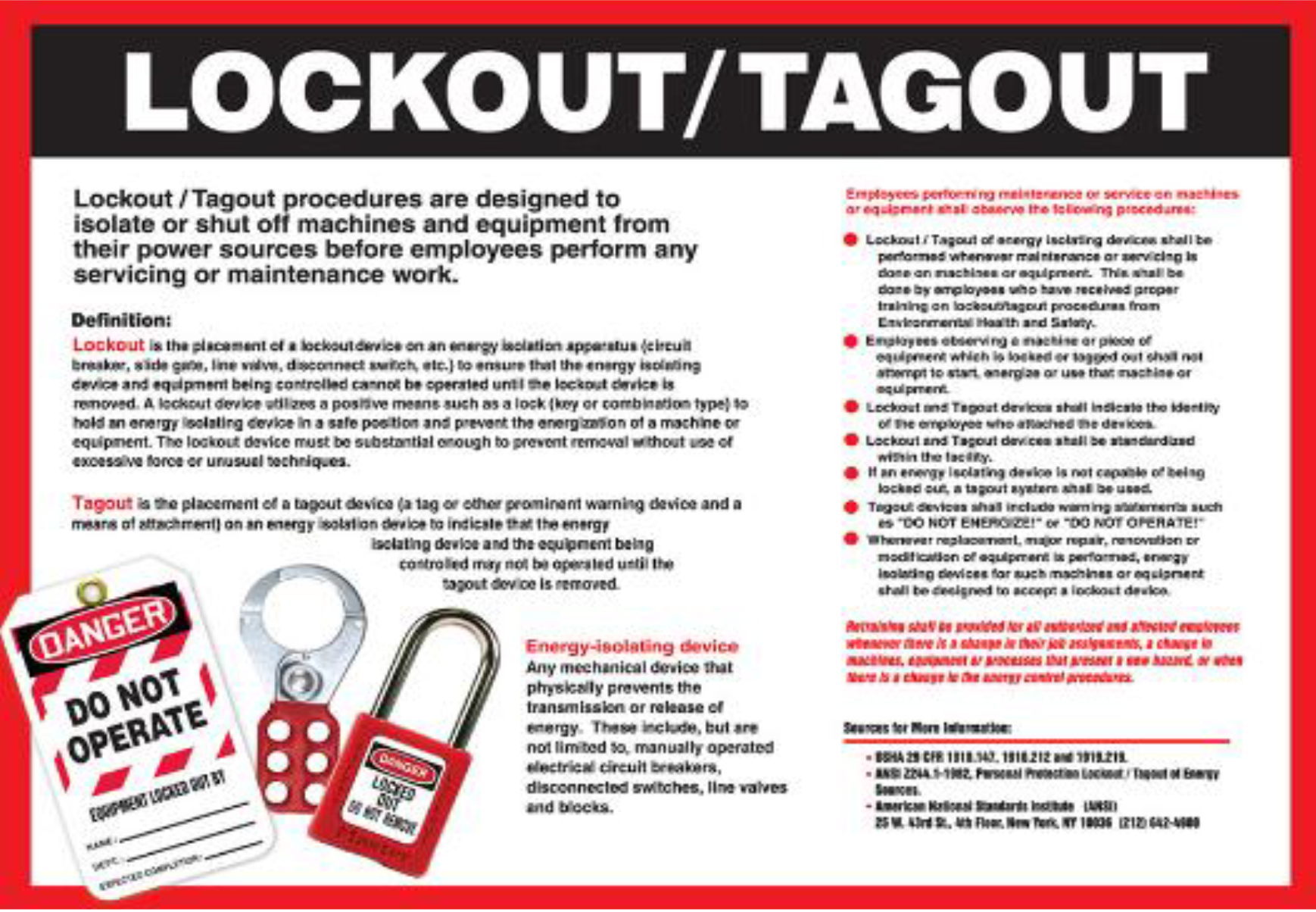
Lockout tagout refers to a set of safety procedures used to ensure that hazardous energy sources are isolated and cannot be re-energized while maintenance or servicing is underway. The “lockout” portion involves physically locking energy-isolating devices—like circuit breakers or valve switches—so that only the authorized employee can remove the lock. The “tagout” component includes affixing a visible tag that explains why the equipment is locked, who locked it, and when.
The purpose is straightforward: prevent accidental startup. But the impact is profound. According to OSHA, compliance with LOTO standards prevents an estimated 120 fatalities and 50,000 injuries annually in the U.S. alone. These procedures apply to all forms of energy—electrical, mechanical, hydraulic, pneumatic, chemical, and thermal.
Common scenario: A technician begins cleaning a conveyor belt system without locking out the motor disconnect. A coworker, unaware of the maintenance, hits the start button from a remote panel. The conveyor engages, pulling the technician into moving parts. This is not a hypothetical—it’s a documented incident pattern.
Without formal lockout tagout safety procedures, even routine servicing becomes a high-risk activity.
The 6-Step Lockout Tagout Safety Procedure
While industry-specific variations exist, a standard LOTO process follows six critical steps. Deviating from this sequence introduces risk.
#### 1. Prepare for Shutdown Before any action, the authorized employee must identify all energy sources powering the equipment. This includes main power lines, backup batteries, stored hydraulic pressure, or even gravity-fed systems. A site-specific energy control plan helps here.
Example: On a large industrial press, energy sources include main electrical supply, compressed air lines, and hydraulic accumulators that retain pressure even after power-down.
#### 2. Notify Affected Personnel Workers who operate or use the equipment must be informed that servicing is about to begin. This ensures no one attempts to use the machine during maintenance.
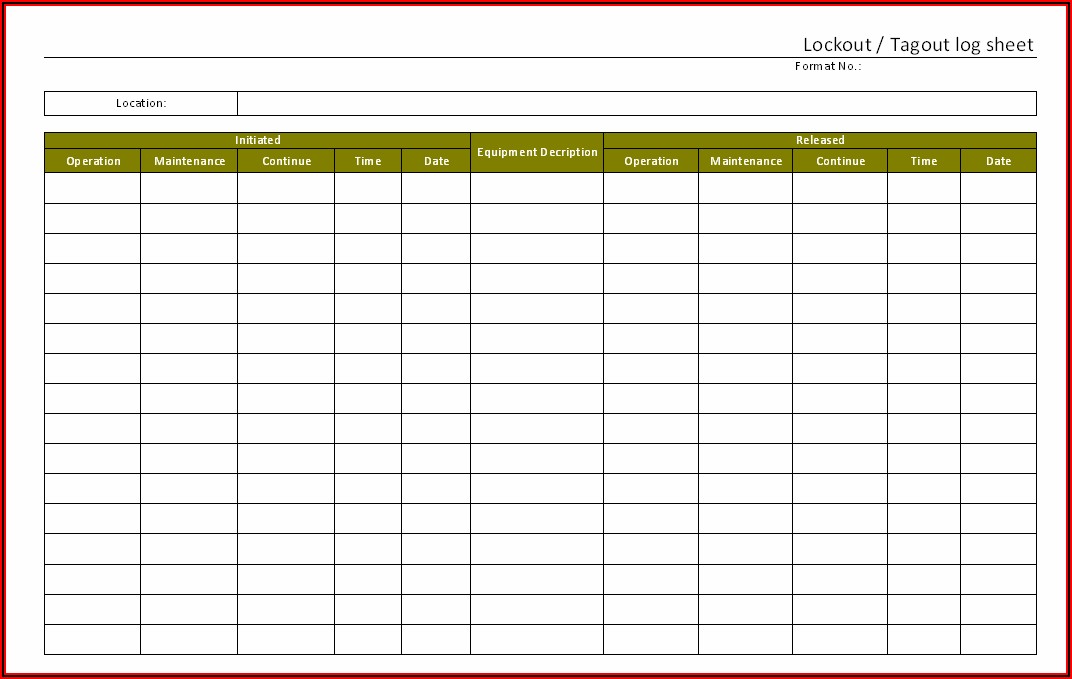
Best practice: Use a log or digital alert system to document notifications—especially in shift-based environments.
#### 3. Shut Down the Equipment Properly Follow the manufacturer’s recommended shutdown sequence. Abrupt power cuts can damage controls or leave residual energy trapped in systems.
Pitfall to avoid: Assuming “off” means “safe.” Many machines enter standby mode but retain live circuits.
#### 4. Isolate All Energy Sources Physically disconnect or block all energy inputs. This is where lockout devices come in—padlocks, valve locks, circuit breaker locks, and plug lockouts.
Key point: One lock per energy source. Multiple sources require multiple locks.

#### 5. Apply Locks and Tags Each authorized employee places their personal lock and tag on each isolated point. Tags must include: - Name of the person locking out - Date and time - Reason for lockout - Expected duration
Shared locks (master or group locks) are acceptable only under strict supervision and with clear accountability.
#### 6. Verify Zero Energy State This is the most overlooked yet most crucial step. After locking, the worker must attempt to start the machine (via normal controls) to confirm it cannot operate. Then, use testing tools (e.g., voltage testers) to verify absence of energy.
Real mistake: Skipping verification because “the lock is on.” Stored energy or backfeed can still pose danger.
Who Is Responsible? Roles and Accountability
LOTO procedures define two key roles:
- Authorized Employee: Trained personnel who implement lockout tagout safety procedures. They physically lock out machines and perform servicing.
- Affected Employee: Operators who use the equipment but do not perform maintenance. They must understand LOTO and never bypass a lock or tag.
Misunderstanding these roles leads to errors. For example, an affected employee removing a tag “to get production running” violates OSHA and endangers lives.
Training requirements: - Initial and annual retraining - Retraining after procedure changes or incidents - Documentation of all training sessions
Organizations must maintain records proving competence—not just attendance.
Common LOTO Failures and How to Fix Them
Even experienced teams make critical mistakes. Here are frequent breakdowns and solutions:
| Failure | Risk | Solution |
|---|---|---|
| Using one lock for multiple energy sources | Incomplete isolation | Apply locks to every disconnect point |
| Skipping verification step | Undetected residual energy | Mandate operational testing and meter checks |
| Tags without names or dates | Accountability gaps | Enforce standardized tag fields |
| Group lockout without procedures | Unauthorized removal | Use a lockbox system with individual locks |
| Poor equipment labeling | Wrong isolation points | Audit and label all energy controls |
Case example: A chemical plant had recurring tag misplacement on isolation valves. They introduced color-coded, asset-specific lockout kits—reducing errors by 80% in six months.
Visibility and standardization are force multipliers in LOTO success.
Equipment-Specific Lockout Challenges
Not all machines behave the same. Some systems store energy in ways that aren’t obvious.
#### Hydraulic and Pneumatic Systems Residual pressure can remain in lines long after shutdown. Relief valves must be manually opened and verified.
Tip: Install bleed valves at strategic points and include them in LOTO checklists.
#### Gravity-Powered Equipment Elevated components—like dump trucks or scissor lifts—can fall if supports aren’t mechanically blocked.
LOTO addition: Use safety pins or support stands in addition to energy lockout.
#### Capacitor Banks and Electrical Panels Electrical systems can retain a charge. Always discharge capacitors and test with a multimeter.
Critical rule: Treat every circuit as live until proven otherwise.
Tailoring LOTO procedures to equipment type isn’t optional—it’s a necessity.
Developing a Site-Specific LOTO Program
OSHA requires each facility to have a written energy control program. A generic template won’t suffice. Your LOTO safety procedures must reflect actual machinery, workflows, and team structure.

Essential elements: - Equipment-specific LOTO procedures (one per machine or process) - List of authorized and affected employees - Inventory of lockout devices - Training records - Periodic audits (at least annually)
Audit tip: During inspections, have an unauthorized employee attempt to start a locked-out machine. If they can—or think they can—the procedure has failed.
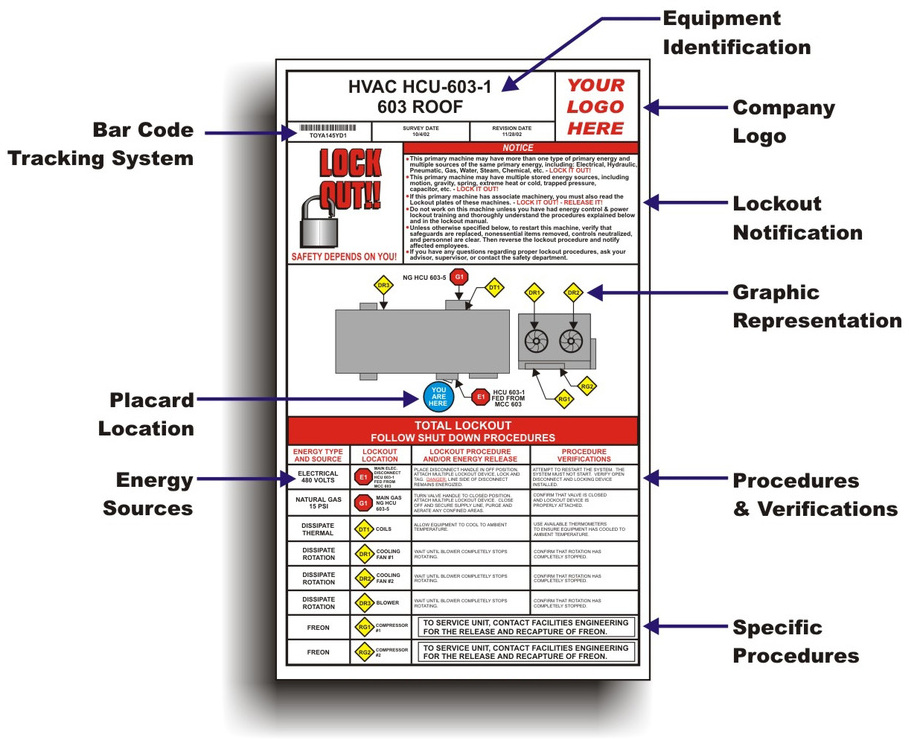
Use photos, diagrams, and QR codes on equipment to link to digital LOTO instructions. Modern facilities integrate LOTO with CMMS (Computerized Maintenance Management Systems) for real-time tracking.
Lockout Devices: Choosing the Right Tools
Effective LOTO relies on reliable hardware. The wrong device can fail under stress or be easily bypassed.
| Device Type | Use Case | Key Features |
|---|---|---|
| Padlocks | Primary lock | Keyed-alike or keyed-different, durable casing |
| Valve Lockouts | Gas/liquid lines | Fits multiple valve types, tamper-resistant |
| Circuit Breaker Locks | Electrical panels | UV-resistant, secure fit |
| Plug Lockouts | Corded equipment | Covers plugs up to 240V |
| Group Lockout Stations | Multi-person work | Hasp with multiple lock points, clear tags |
Selection criteria: - Durability (chemical, heat, impact resistance) - Visibility (bright colors) - Standardization across site - Non-releasable under tension
Avoid flimsy plastic locks or handwritten tags. Invest in professional-grade kits.
The Cost of Non-Compliance
Ignoring lockout tagout safety procedures carries real consequences:
- OSHA fines: Violations can exceed $15,000 per instance. Willful or repeated violations top $150,000.
- Downtime: Accidents halt production and trigger investigations.
- Reputation damage: Safety incidents affect client trust and employee morale.
- Legal liability: Injuries lead to workers' comp claims and potential lawsuits.
But beyond penalties, there’s a human cost. A single incident can alter lives and shatter team cohesion.
Prevention isn’t expensive—negligence is.
Build LOTO Into Your Safety Culture
The best LOTO programs go beyond compliance. They embed safety into daily habits.
- Start shift meetings with LOTO reminders
- Recognize employees who report close calls
- Conduct surprise drills
- Involve workers in procedure updates
When lockout tagout safety procedures are treated as routine—not as a compliance checkbox—they become second nature.
Implementing effective lockout tagout safety procedures starts with awareness, but it sustains with discipline. Map your equipment, train your team, use the right tools, and audit relentlessly. Safety isn’t a policy—it’s a practice. Start today: review one machine’s LOTO process, verify its steps, and ensure every energy source is truly controlled.
FAQ
What is the difference between lockout and tagout? Lockout uses physical locks to prevent energy release, while tagout uses warning tags. Lockout is preferred; tagout alone is acceptable only if the device can’t be locked.
Can multiple people work on the same machine under LOTO? Yes, using a group lockout procedure. Each authorized worker applies their personal lock to a common hasp or lockbox.
How often should LOTO procedures be audited? At least annually, or whenever equipment, processes, or personnel change.
Who can remove a lockout device? Only the authorized employee who applied it—unless under emergency protocols with documented approvals.
Are LOTO procedures required for minor tool changes? No, if it’s routine, repetitive work using production controls. But any task requiring hands-on contact with moving parts needs LOTO.
What happens if a worker forgets to remove their lock? Supervisors follow a documented removal process, including verification that the worker is clear and the equipment is safe.
Do LOTO procedures apply to corded hand tools? Yes, if servicing requires disassembly or exposes moving parts. Use plug lockouts to secure cords during repair.
FAQ
What should you look for in Lockout Tagout Safety Procedures: A Complete Guide to Compliance? Focus on relevance, practical value, and how well the solution matches real user intent.
Is Lockout Tagout Safety Procedures: A Complete Guide to Compliance suitable for beginners? That depends on the workflow, but a clear step-by-step approach usually makes it easier to start.
How do you compare options around Lockout Tagout Safety Procedures: A Complete Guide to Compliance? Compare features, trust signals, limitations, pricing, and ease of implementation.
What mistakes should you avoid? Avoid generic choices, weak validation, and decisions based only on marketing claims.
What is the next best step? Shortlist the most relevant options, validate them quickly, and refine from real-world results.