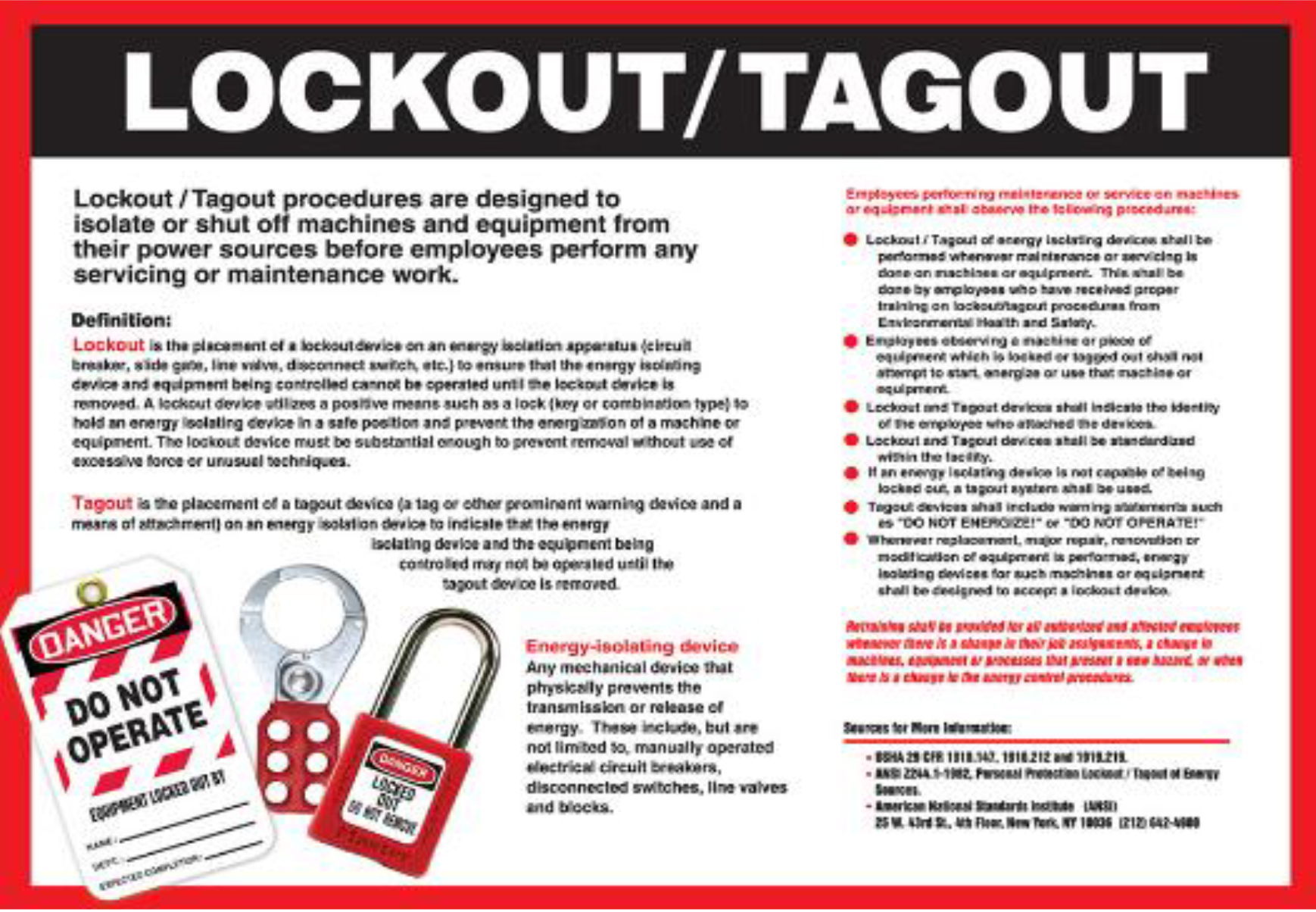
Safety isn’t a one-time checklist. It’s a culture. And nowhere is that more critical than in environments where hazardous energy can turn a routine task into a life-altering incident in seconds. That’s why lockout tagout handout PDFs aren’t just office paperwork—they’re frontline tools that bridge policy and practice. When done right, they clarify procedures, reinforce training, and reduce human error. When done poorly, they’re ignored or misused, leaving workers exposed.
If you're searching for a lockout tagout handout PDF, you're likely either creating safety materials from scratch or refreshing outdated ones. Either way, the goal is the same: to produce a clear, actionable, and compliant document that workers can understand and use in real time.
Let’s break down what makes an effective LOTO handout, where to find reliable templates, and how to avoid the most common pitfalls.
What Is a Lockout Tagout Handout PDF?
A lockout tagout handout PDF is a portable, printable guide that outlines the core principles and steps of an energy control program. It’s designed to be distributed during training sessions, posted near equipment, or used as a quick-reference tool for maintenance crews.
Unlike full-length OSHA manuals or complex procedural documents, a good handout distills the essentials:
- Purpose of LOTO
- Roles and responsibilities
- Step-by-step shutdown and isolation procedures
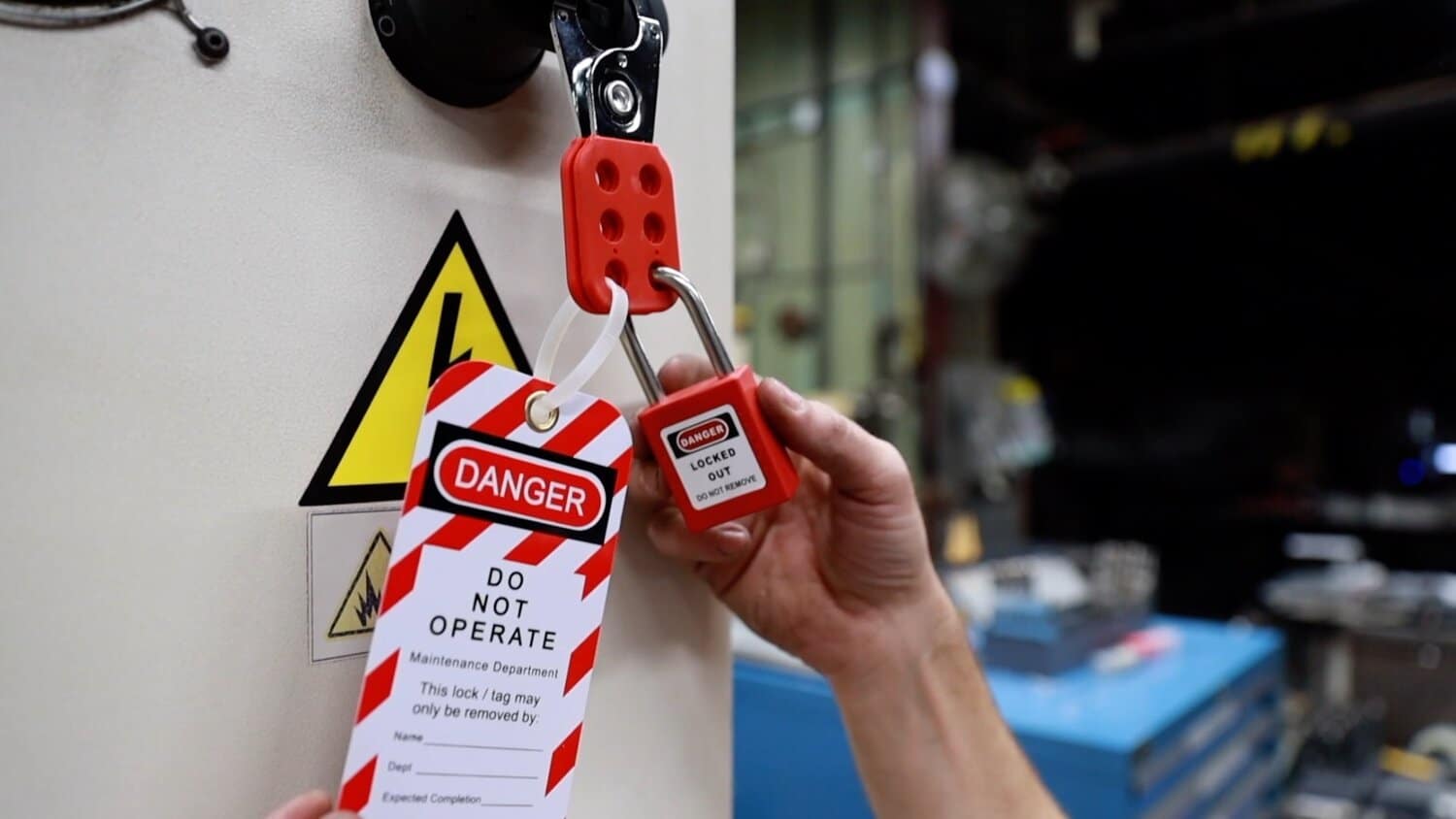
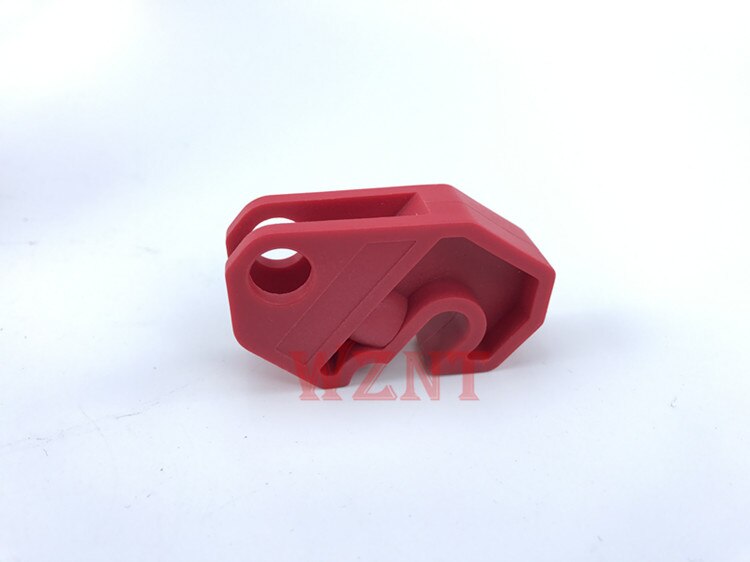
- Required equipment (locks, tags, hasps)
- Verification practices
These handouts aren’t substitutes for training—but they reinforce it. Think of them as cheat sheets that keep safety top of mind when machines are down and pressure to resume operations is high.
Why a Well-Designed LOTO Handout Matters
Misunderstandings during maintenance cause a disproportionate number of industrial injuries. According to OSHA, nearly 10% of serious accidents in manufacturing are linked to improper machine servicing—often due to failure in energy isolation.
A handout isn’t just a summary. It’s a risk mitigation tool.
Consider this scenario: A technician needs to clear a jam in a conveyor system. Supervision has approved the work, but the standard operating procedure is buried in a 50-page manual. The technician remembers most steps but skips verifying zero energy state because “it’s just a quick fix.” That assumption leads to sudden startup and severe injury.
Now imagine the same technician pulls a laminated LOTO handout from their pocket. It visually breaks down the six-step process, includes a verification checklist, and highlights the consequences of skipping steps. That small document changes behavior.
The best handouts combine clarity, compliance, and context.
Key Elements of an Effective LOTO Handout
Don’t just hand out a generic PDF from a random website. Your handout should reflect your site’s specific risks, procedures, and culture. Here’s what to include:
1. Clear Purpose Statement Start with a concise explanation of why LOTO exists: to protect workers from unexpected energization, startup, or release of stored energy.
“This procedure protects you. Failure to follow it can result in electrocution, crushing, or amputation.”
2. Defined Roles Specify who is an “authorized employee” (performs LOTO) vs. an “affected employee” (operates or uses equipment). Confusion here leads to improper lock application.
3. Step-by-Step Procedure Break down the OSHA-recommended sequence:
- Preparation
- Notification of affected personnel
- Shutdown of machine
- Isolation of energy sources
- Application of locks and tags
- Release of stored energy
- Verification of isolation
Use simple language and numbered lists. Avoid jargon like “de-energized state” without explanation.
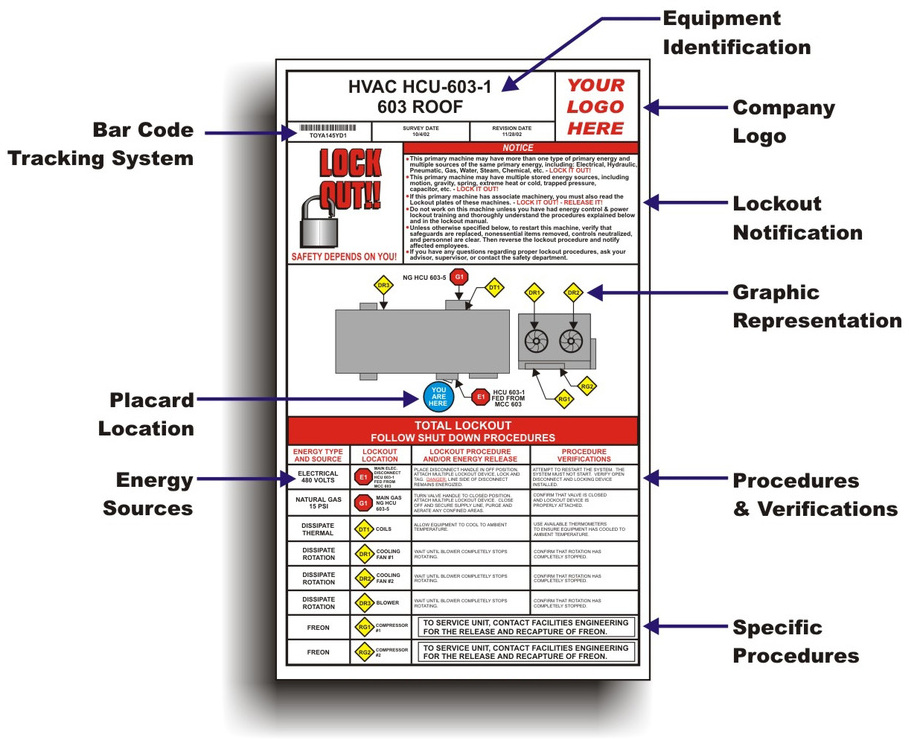
4. Visual Aids Include diagrams showing lock placement, tag placement, and common energy sources (electrical, hydraulic, pneumatic, mechanical). A picture of a correctly locked disconnect panel is worth 100 words.
5. Equipment List Name or show the types of locks, tags, and devices used on-site. Generic icons help, but site-specific photos work better.
6. Common Mistakes Section Call out frequent errors:
- Using someone else’s lock
- Tagging without locking
- Failing to verify isolation
- Leaving locks on after work completion
This preempts excuses like “I didn’t know.”
7. Emergency Response Reminder Include brief instructions on what to do if a locked-out machine is energized or if a worker is injured during servicing.
Where to Find Reliable Lockout Tagout Handout PDFs
Many organizations reinvent the wheel when they don’t need to. High-quality, customizable LOTO handout PDFs are available—some free—from trusted sources.
Here are five reliable options:
| Resource | Type | Customizable? | OSHA-Aligned? | Notes |
|---|---|---|---|---|
| OSHA.gov | Government guide | Yes | Yes | Official but text-heavy; best used as a base |
| NIOSH (CDC) | Research-based toolkit | Yes | Yes | Includes risk assessment templates |
| Grainger | Industrial supplier | Yes (with registration) | Partial | Practical visuals, branded but usable |
| SafetyPro Resources | Safety consulting site | Yes | Yes | Clean design, ready-to-print formats |
| Template.net | Commercial templates | Yes | Varies | Quality varies—review carefully |
Pro Tip: Download a base template, but customize it. Replace generic equipment images with photos from your facility. Add site-specific PPE requirements. Include your EHS manager’s contact info.
Avoid using unverified third-party PDFs from forums or file-sharing sites. Many contain outdated standards or incomplete procedures.
Common Mistakes in LOTO Handouts (And How to Fix Them)
Even well-intentioned handouts fail when they overlook practical realities. Here are recurring issues we’ve seen across industries:
❌ Overloading with Text A handout crammed with paragraphs won’t be read. Use bullet points, bold headings, and white space.
Fix: Apply the “30-second rule.” Can someone grasp the core message in 30 seconds?
❌ Ignoring Language Barriers If your workforce includes non-native English speakers, a monolingual PDF is ineffective.
Fix: Create bilingual versions or use universal symbols (ISO 7010 safety signs). Pair text with icons for lock application, danger zones, and verification.
❌ Assuming One Size Fits All A handout for a robotic arm shouldn’t look the same as one for a boiler system.
Fix: Develop equipment-specific supplements. Use a master handout for general principles, then attach machine-specific tags or checklists.
❌ Forgetting the “Why” Workers are more likely to comply when they understand the stakes.
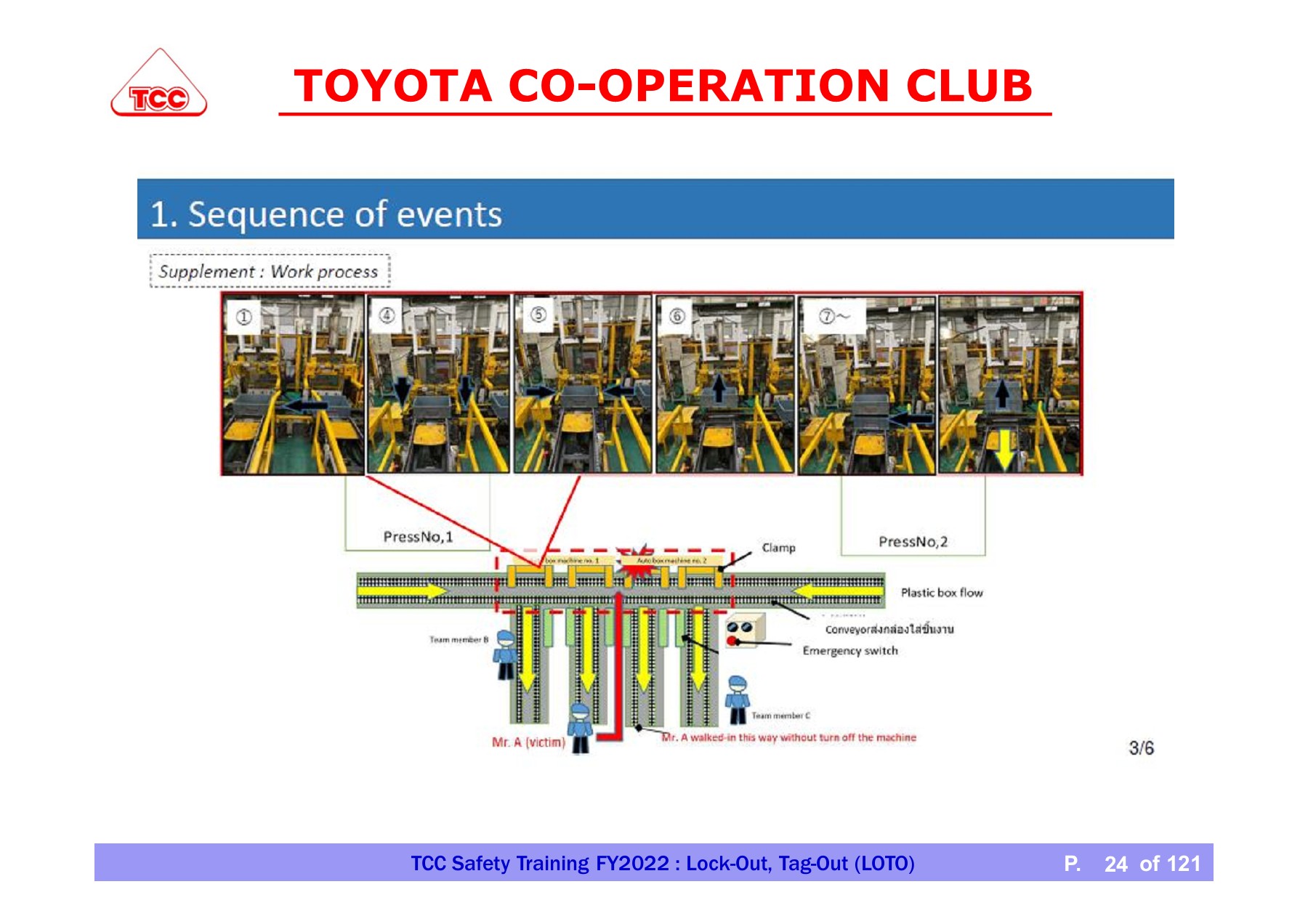
Fix: Add a brief case example—real or hypothetical. > “In 2022, a maintenance worker in Ohio lost three fingers when a press restarted during adjustment. The machine wasn’t locked out—just tagged.”
❌ No Review or Update Process LOTO procedures change. Equipment gets upgraded. Handouts must evolve too.
Fix: Add a revision date and review trigger (e.g., “Review after incident or annual audit”). Assign ownership to a safety coordinator.
How to Use a LOTO Handout PDF in Training
A handout shouldn’t be handed out and forgotten. Integrate it into your safety workflow.
During Onboarding Pair the PDF with a hands-on demo. Have new hires follow the steps on a mock machine. Ask them to explain each phase in their own words.
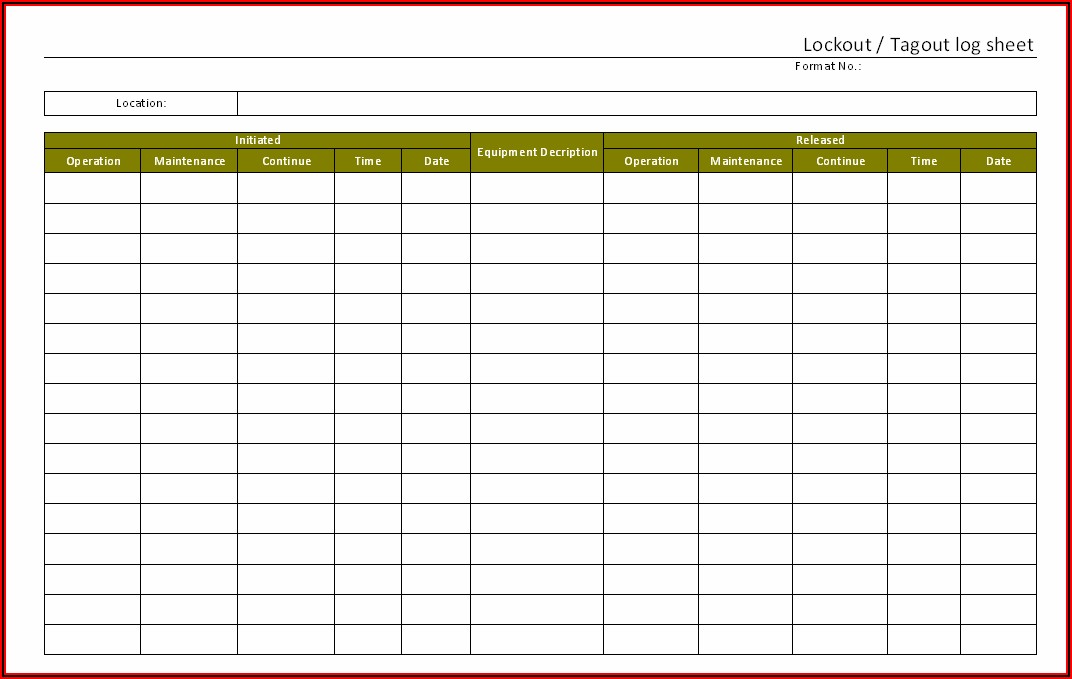
Before Maintenance Work Require technicians to review the handout and sign a quick acknowledgment log. Not for punishment—proof of engagement.
In Audits and Inspections Use the handout as a verification tool. Do lock placements match the diagram? Are tags filled out completely?
As a Takeaway Print and laminate copies for toolboxes. Upload a digital version to your EHS portal. Ensure it’s accessible offline.
One manufacturing plant reduced LOTO deviations by 68% after switching from a text-only manual to a visual, multilingual handout paired with monthly refresher quizzes.
Building Your Own Lockout Tagout Handout: A Step-by-Step Workflow
You don’t need a design degree to create an effective handout. Follow this process:
- Gather Input
- Talk to maintenance leads, safety officers, and machine operators. What steps do they find confusing? What tools do they actually use?
- Map Your Equipment
- List high-risk machines. Identify energy types (electrical, hydraulic, etc.). Note lockout points.
- Draft Using a Template
- Start with an OSHA or NIOSH base. Strip out irrelevant sections. Insert your facility’s photos and procedures.
- Test with Real Users
- Give the draft to three frontline workers. Ask them to explain the procedure back to you. Revise based on feedback.
- Add Branded Elements
- Include company logo, safety motto, and emergency contact. This increases ownership.
- Distribute and Train
- Launch with a 10-minute safety meeting. Emphasize: “This isn’t extra work—it’s how we go home safe.”
- Schedule Reviews
- Set calendar alerts for annual updates—or sooner if incidents occur.
The Bottom Line: A LOTO Handout Is a Lifesaver
A lockout tagout handout PDF is more than a training aid. It’s a safeguard against complacency, miscommunication, and procedural drift. In high-risk environments, the difference between compliance and catastrophe often comes down to whether a worker had the right information—clearly presented—at the right time.
Don’t settle for a generic, forgotten PDF. Build or customize a handout that reflects your workplace, speaks to your team, and stands up to real-world use.
Download a trusted template. Customize it. Print it. Post it. And make sure every authorized employee knows where to find it—before the machine stops.
Frequently Asked Questions
Where can I download a free lockout tagout handout PDF? OSHA.gov and NIOSH provide free, customizable LOTO handout templates aligned with federal standards.
What should a lockout tagout handout include? It must cover roles, step-by-step procedure, required equipment, verification steps, and common mistakes.
Can a PDF handout replace LOTO training? No. Handouts supplement training but can’t replace hands-on instruction and certification.
How often should LOTO handouts be updated? Review at least annually or after an incident, equipment change, or procedural update.
Should LOTO handouts be site-specific? Yes. Generic handouts lack relevance. Customize with your equipment, locks, and workflow.
Are multilingual LOTO handouts necessary? If your workforce includes non-English speakers, yes. Use translation or visual symbols to ensure understanding.
Can digital LOTO handouts be used on tablets or phones? Yes, if accessible during maintenance and protected from damage. Laminated print copies remain more reliable in harsh environments.
FAQ
What should you look for in Lockout Tagout Handout PDF: Free Templates & Best Practices? Focus on relevance, practical value, and how well the solution matches real user intent.
Is Lockout Tagout Handout PDF: Free Templates & Best Practices suitable for beginners? That depends on the workflow, but a clear step-by-step approach usually makes it easier to start.
How do you compare options around Lockout Tagout Handout PDF: Free Templates & Best Practices? Compare features, trust signals, limitations, pricing, and ease of implementation.
What mistakes should you avoid? Avoid generic choices, weak validation, and decisions based only on marketing claims.
What is the next best step? Shortlist the most relevant options, validate them quickly, and refine from real-world results.